Swipe To Spin Pokie App Mechanics: A Player’s Decision Guide
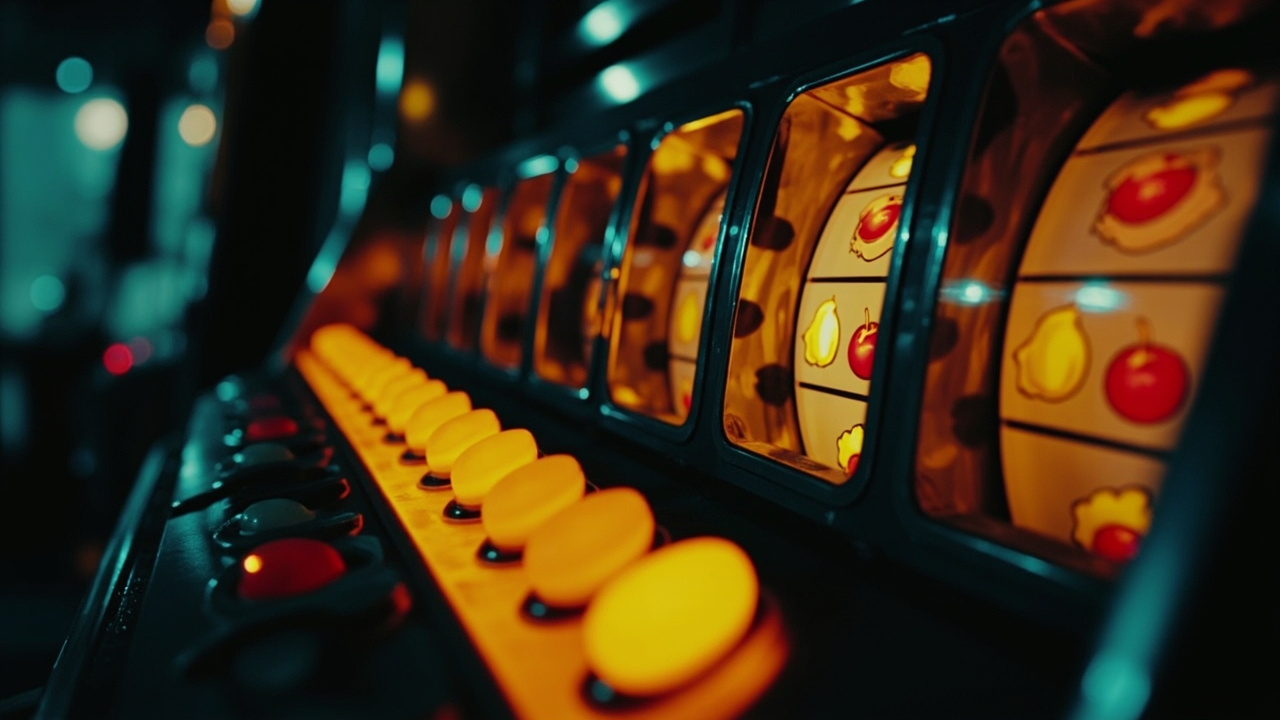
Swipe to spin pokie app mechanics shape how quickly a session turns into a bankroll drain, and the difference between a thoughtful tap and a thumb-twitch habit is real. I have sat across from players on the Gold Coast who swear the same interface felt fairer on one phone than another, and I have also seen two unrelated industry profiles share my name well enough to make anyone cautious about who is actually signing off on these designs. That is why a clear, patient read of the mechanics matters more than any flashy welcome bonus. Cashless and card-based play can increase spending by hiding the sting of physical money leaving your hand, and the swipe gesture is engineered to keep that friction low.
How The Swipe Gesture Shapes Session Pace
The core of swipe to spin pokie app mechanics is a single downward or sideways flick that replaces a button press, which sounds minor until you track how many rotations happen before a player actually stops to check their balance. The gesture is calibrated for speed: a light swipe triggers a spin with minimal confirmation, and the animation is tuned to feel responsive without demanding a second tap to register. That responsiveness is deliberate, because it shortens the pause between one result and the next, and shorter pauses tend to keep attention locked on the screen rather than on the wallet. Providers usually pair the swipe with a hold-to-spin alternative, but the swipe path wins on convenience, which is exactly why the feature exists in the first place.
A second layer sits in the visual feedback loop. The reels often settle with a brief overshoot or a subtle haptic tick, and those cues are designed to feel satisfying even on a near-miss. I have watched sessions where the combination of a fast swipe, a bright scatter, and a near-miss animation produced more consecutive spins than a player intended, and the pattern is consistent enough that it is worth treating the gesture as a pacing tool rather than a neutral input. If you prefer a slower rhythm, look for an app that exposes a tap-to-spin fallback and a clear spin-counter on the same screen, because those two settings give you a better read on how quickly your stake is cycling.
A short list of things worth checking before you commit to the swipe path: Spin Race Pokies: How To Enter
- Whether the app offers a tap-to-spin alternative for slower play
- If a visible spin counter or session timer is available on the game screen
- How the near-miss animations behave on a mid-range phone, not just a flagship
- Whether the swipe threshold can be adjusted or is locked to one sensitivity
Those checks matter because the gesture itself is only half the story; the surrounding settings decide whether the swipe speeds up a session in a controlled way or quietly removes the pauses that help you stop.
What Providers Build Into The Swipe Interface
Different providers tune swipe to spin pokie app mechanics in noticeably different ways, and the differences show up in the details that most players skip past. Some studios lock the swipe to a single direction and require a deliberate flick, which slows the rhythm slightly and gives you a fraction more time to glance at the paytable before the next rotation. Others allow a lighter, shorter swipe that registers almost instantly, which feels slick on a modern handset but can blur the line between one spin and the next if you are playing on a bus or in a busy arvo setting. The provider choice also affects how the bonus mechanics behave during a swipe session, because some games trigger free-spin entry from a scatter that appears mid-reel, while others require a separate bonus buy path that sits outside the swipe flow entirely.
Payments and currencies are part of the same interface decision. A well-built swipe app keeps the stake selector reachable without forcing you to leave the game screen, and it displays the currency clearly so you are not guessing whether a line item is in dollars, cents, or a converted figure. Registration is usually a short form on the same mobile flow, and support is typically a chat widget or a callback option that lives in the same app rather than a separate portal. None of that is glamorous, but it is the infrastructure that decides whether the swipe stays a convenient input or becomes a frictionless spending path. When you are weighing a platform, it helps to compare the gesture design against the bonus structure and the payment clarity on the same screen, because those three elements interact more than most marketing copy admits.
For players who want a steadier read on how these mechanics fit into a broader account setup, the comparison is easier when you have a clear picture of the operator behind the app. That is where a grounded check like https://is-sportsbet-legit.com/ earns its place, because it keeps the focus on whether the platform you are swiping on is the one you actually want to trust with your details.
| Feature | What to look for | Why it matters |
|---|---|---|
| Swipe sensitivity | Adjustable or clearly documented threshold | Keeps session pace under your control |
| Spin counter | Visible on the game screen | Makes rotation speed easier to track |
| Stake selector | Reachable without leaving the reels | Prevents accidental stake changes |
| Currency display | Clear, consistent, no hidden conversion | Reduces confusion during a fast session |
| Bonus entry | Scatter-triggered or separate path | Changes how often the swipe flow is interrupted |
How Swipe Mechanics Fit Your Playing Style
The right read on swipe to spin pokie app mechanics depends on what you are actually trying to do with the session. If you want a relaxed run with a clear stop point, a heavier swipe threshold and a tap fallback are worth more than a slick, instant-flick interface. If you are the kind of player who likes to keep a session moving and you are comfortable setting your own limits, a responsive swipe with a visible spin counter can feel like a better match. The point is not to label one design as superior; it is to match the gesture to the pace you can actually sustain. I have seen players on the Gold Coast treat the same app very differently depending on whether they were playing for a ten-minute break or settling in for a longer session, 88fortunesfreeslots.com and the gesture preference usually tracked with that intention.
Loyalty and ongoing value are where the swipe experience meets the rest of the account. A swipe-friendly app is only as useful as the reasons you keep coming back after the welcome offer has done its job, and those reasons are usually recurring promos, cashback, loyalty or VIP tiers, and tournaments that give repeat play a purpose beyond the next spin. If the app makes the swipe feel effortless but the loyalty path is vague or the promos disappear after the first week, the gesture is doing more work than the platform deserves. State point-of-consumption taxes now capture revenue where bets are placed, and Australia competes for Asian high rollers with its integrated resorts, which is a reminder that the broader market is shifting toward where the action actually happens rather than where the brand is headquartered. That same logic applies to your own session: the swipe is only one part of the setup, and the recurring reasons to return are what decide whether the app earns a permanent spot on your phone.
A good way to judge the fit is to ask three questions before you start: does the swipe speed match the pace I want, does the app give me enough on-screen feedback to notice when I am speeding up, and are there real reasons to keep playing after the first bonus cycle ends? If the answer to all three is yes, the mechanics are doing their job. If one of them is shaky, the gesture is probably not the problem – the surrounding design is.
I opened this with a player on the Gold Coast who swore the same swipe felt fairer on one handset than another, and that memory still frames how I read these apps. The gesture itself is only a tool; the real question is whether the tool matches the pace you can actually hold, and whether the platform gives you enough clarity and ongoing reason to keep playing beyond the first bright welcome.