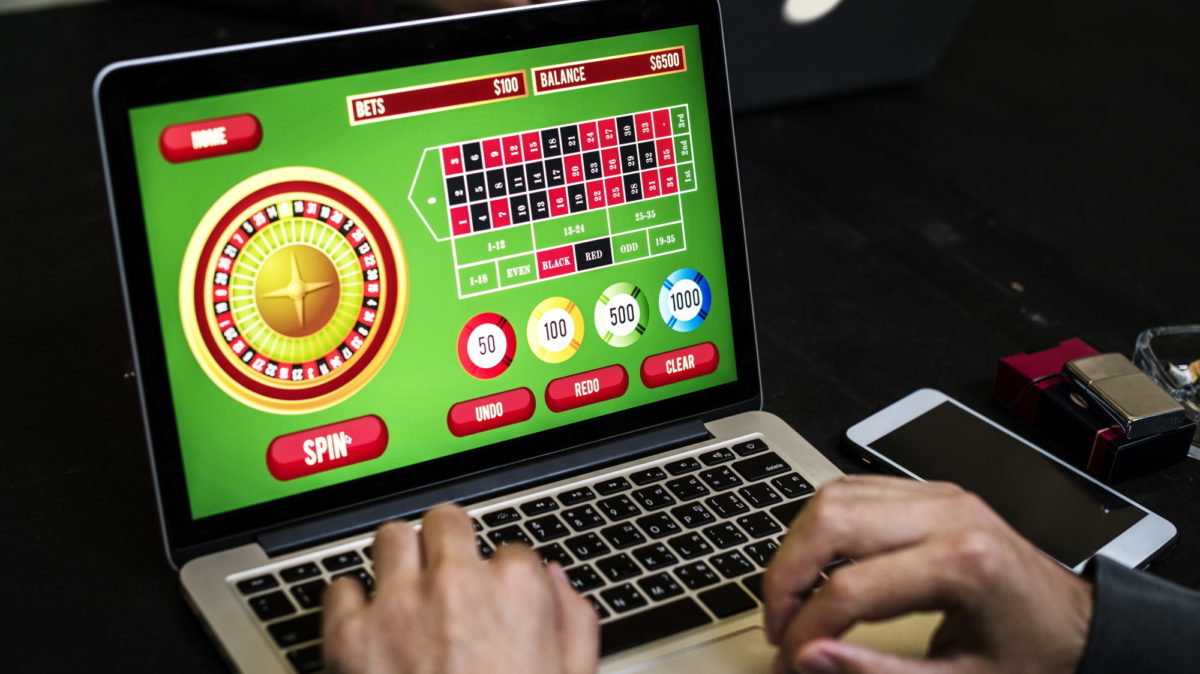
Once you complete the sign-up process and input your account info, the Buran Casino dashboard becomes the central control point for every account action https://burankazino.com/en-gb/login2/. Through this unified panel players can handle deposits and withdrawals, check transaction histories, update security settings, and monitor verification status. The layout is structured so that each function resides in its own area, avoiding the necessity of searching through multiple sub-pages for routine tasks. Comprehending the dashboard layout helps users finish verification swiftly, protect their funds, and prevent typical login issues.
Deposit and Withdrawal Controls Within the Dashboard
The “Cashier” section lists all accessible deposit methods, such as credit cards, e-wallets, and certain cryptocurrencies, along with minimum and maximum amounts per transaction. Real-time balances update instantly after each deposit, and pending transactions show up with approximate processing times. Players can establish personal deposit limits, daily, weekly, or monthly, directly from this panel, offering an immediate tool for responsible gambling without contacting support.
Withdrawals are initiated through the same Cashier area after verification is finished. The system indicates the current pending withdrawal amount and any leftover wagering requirements linked to bonuses. Processing times change by method: e-wallet withdrawals are often finished within twenty-four hours, while bank transfers may take three to five business days. A transaction history table records every movement, enabling users to reconcile statements or review specific entries by date range.
Logging In and Handling Password Recovery
The login form requires the username or registered email together with the password created during sign-up. After three consecutive incorrect entries, the account is temporarily locked for fifteen minutes as a defense against brute-force attacks. To regain access without waiting, users can initiate the password-recovery flow by clicking the “Forgot Password” link, which sends a reset token to the verified email address. The token remains valid for two hours, after which a new request must be submitted.
Once inside the dashboard, the “Security” section lets players change their password at any time. The new password must differ from the previous three passwords stored in the system. For added convenience, the platform supports password-manager autofill through standard browser extensions, lowering the chance of typing errors that lead to lockouts. Players are advised to log out after each session on shared devices to prevent session hijacking via cached credentials.
Identity Verification and Mandatory Paperwork
Verification is required before any cashout can be processed, and the procedure is conducted through the “Account Verification” panel on the user interface. Members must provide a official photo identification, a current utility statement or bank statement showing name and address, and, in some situations, a picture holding the same ID next to the individual’s face. Each document is reviewed by the verification team, usually within twenty-four to forty-eight hours on working days. Status markers on the interface change from “Pending” to “Verified” once approval is given.
Files must be in colour, sharp and clear, and no more than three months old for residence verification. Document formats permitted are JPEG, PNG, and PDF, with a max file size of five megabytes per file. If a upload is rejected, the dashboard shows the particular cause, such as lighting on the photo or incorrect address, and allows prompt re-uploading. Keeping digital versions of these records on file accelerates any future queries for re-verification that may happen after twelve months of no activity.
Profile Upkeep and Long-Term Best Practices
Routine dashboard maintenance involves checking stored payment details, renewing expired cards, and verifying that contact information remains current. Email address changes require identity re-verification to avoid social-engineering attempts. Players should also regularly review active bonus balances and wagering progress so that deadlines are not missed, which could cause automatic forfeiture of funds.
Enabling reality-check reminders and configuring self-exclusion periods are both available from the “Responsible Gaming” tab. These tools notify users at chosen intervals to assess session length and spending, reinforcing informed decision-making over time. By considering the dashboard as a routine checkpoint rather than a one-time setup screen, players retain continuous control over security, finances, and compliance requirements.
Login Safety and Recognising Account Alerts
Each successful login creates an entry in the “Login History” log, showing date and time, IP address, device type, and approximate location. If an unfamiliar entry is detected, players can terminate the active session remotely and force a password reset from the same panel. The platform also sends email notifications for large withdrawals, password changes, and 2FA modifications, giving users an immediate alert if unexpected activity occurs.
Common login problems involve browser cookie corruption and outdated cached pages. Clearing the browser cache or trying access through an incognito window fixes most display-related errors. Persistent issues after these steps usually indicate network-level blocking or temporary maintenance; viewing the site status page or contacting live chat from a different network verifies whether the problem is account-specific or platform-wide.
Two-Factor Authentication Setup and Perks
Two-factor authentication (2FA) is turned on from the “Security Settings” panel and uses time-based one-time passwords generated by authentication apps such as Google Authenticator or Authy. After reading the displayed QR code, the player enters the 6-digit code shown on the mobile device to verify successful pairing. From that point forward, every login requires both the standard password and the current 2FA code, significantly lowering the risk of security breach even if the password is compromised.
Emergency codes are created immediately after 2FA activation; these temporary tokens should be saved or stored offline. Should the mobile device be lost, entering one of the backup codes recovers access without needing support intervention. Disabling 2FA later requires verification through the current authenticator code plus an email verification step, guaranteeing that only the authorized account holder can disable the extra layer of protection.
Creating Your Account: The Starting Sign-Up Sequence
Account creation starts on the registration form situated directly beneath the login fields. Players enter a valid email address, select a username, and create a password that satisfies the site’s complexity rules: at least eight characters containing one uppercase letter, one number, and one special character. After submitting these details, an activation link is dispatched to the provided email inbox. Clicking the link verifies ownership of the address and grants the ability to add personal data required for later verification steps. The entire sequence normally takes under five minutes, assuming the email arrives promptly and the link is opened before it expires.
During registration, the system also captures the player’s chosen currency and preferred language. These selections determine how balances and promotional offers are displayed later, so it is advisable confirming both before final submission. If an activation email neglects to appear, users should review spam folders and then demand https://en.wikipedia.org/wiki/Vernon_Downs a fresh link from the login page. Repeated failed attempts trigger a temporary lock that lasts thirty minutes, a safeguard against automated scripts conducting bulk registrations.